
Every room has the same question about AI. Who owns it?
I help leaders give AI a defined seat on the org chart, without taking one away from their people. Your attendees don't leave inspired and empty-handed. They leave with a first-draft AI role on paper, a named human owner, and the words for their next team conversation.
AI on our org chart
Attendee worksheet- One task AI supportsDrafting first replies to resident and member questions
- What the AI role ownsA first draft, in our tone, using approved answers
- What it never decidesAnything about money, eligibility, or a complaint
- The human who owns the outcomeOur Communications Manager, by name
- Where it hands back to a personEvery reply is read and sent by a staff member
Illustrative example. Attendees fill in their own.
The technology wasn't the hard part.
Most organizations already brought AI in. Tools were bought, a directive went out, or people started using it on their own. What nobody settled first is whose job it is to make it work. These are the questions leaders bring into the room.
- We bought the AI tools, but almost nobody is using them.
- I don't know whose job it is to make this work.
- My team is worried, and I don't know what to tell them.
- We ran the training. Why didn't it stick?
- What do I tell my board?
- Is this going to cost my people their jobs?
I say that last question out loud before anyone else does. Then I answer it. My approach is a no-layoff redesign: AI gets a defined, accountable role next to your people, not instead of them.
Leading People Through the AI Transition
You wouldn't hire a person and skip writing down what they're responsible for. AI deserves the same step.
Most organizations don't have an AI tools problem. They have a clarity gap. Nobody wrote down what AI is responsible for, which decisions still need a person, or who notices when it stops helping. So the tools sit unused, people use them quietly on their own, and your staff fills the silence with fear.
This session gives leaders a way to close that gap on paper. I introduce the Accountable Seat: AI gets a defined role, a written boundary, and a named human owner, the same way a new hire would. Then the room puts it to work on one real task from their own organization.
We also take on the conversation that comes next. Every attendee drafts a short, plain message for their team, their executives, or their board about where AI fits and where it does not.
Also offered as a working session titled Who Owns AI Here? Put It on the Org Chart. Both can be shaped to your audience and theme.
By the end, your attendees will be able to:
- 01Explain why the real obstacle is a clarity gap, not a tools gap, in language their board will understand.
- 02Map one AI-supported task to a defined role with written boundaries and a named human owner.
- 03Draft a direct message for their people about how AI fits, without using layoffs as the measure of success.
Something in hand, not just a feeling.
The worksheet is the spine of the session, not an add-on. No laptops, internet access, or special software needed.
A first-draft AI role
What AI owns in one real task, and what it never decides.
A named human owner
The person accountable for the outcome, even if today the honest answer is "no one."
A handoff point
The exact place where AI-supported work comes back to human judgment.
The next conversation
A short script for Monday morning with their team, executives, or board.
What this isn't: a product demo, a prompt-writing class, or a sales pitch from the stage. It's a leadership session about responsibility, trust, and how your people work alongside AI.
Built for a main stage, a breakout room, or a cohort.
The same core framework scales with the time you have. More time means more of the worksheet gets finished in the room.
The Clarity Gap
45 to 60 minutes
For a conference main stage, annual meeting, or leadership retreat. Names the fear in the room, reframes the problem, and starts the worksheet live.
- The Accountable Seat framework
- First two worksheet boxes filled in the room
- Team conversation script for every attendee
Build Your Org Chart
3 to 4 hours, or a 2-hour conference session
For associations, conferences, and single organizations. Small groups work real scenarios from their own sector and finish the worksheet box by box.
- Complete first-draft worksheet per attendee
- Sector examples: nonprofit, municipal, business
- Each attendee commits to one first move and a date
The Cohort
Six sessions over several weeks
For associations, chambers, and programs serving a group of organizations. Each one builds its own org chart between sessions and presents it back to the group.
- Peer groups and between-session work
- Practice for the real team conversation
- Simple guardrails each organization can keep
Shaped to the people in your seats.
City, county, and municipal leaders
Governance, role clarity, and what to tell council, staff, and residents about where AI fits and who answers for it.
HR and people leaders
Workforce trust, role boundaries, and defining where AI belongs before staff fill the silence with fear.
Executive directors and boards
Answering the board's AI question with a written plan instead of a guess, without putting your mission or your people at risk.
Owners and executive teams
Moving from AI interest to named responsibility, human ownership, and clear next moves your team can see.
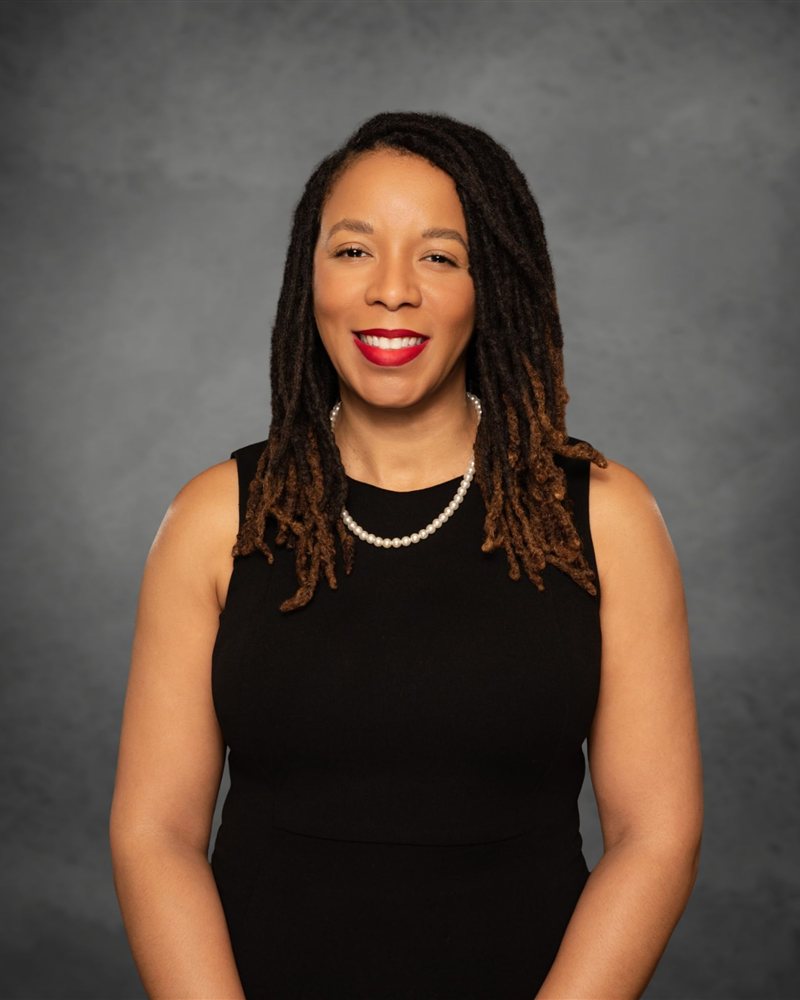
Dawn Mayes
I'm the founder of DMayes Consulting. I help leaders decide where AI belongs in their organization, what it should own, and which person stays accountable for the outcome. I treat AI as an organizational design and leadership question, not a software purchase.
I'm an architectural designer by training, and I've spent my career in rooms where leaders had to build trust across businesses, institutions, and communities. Before AI was the headline, I led a six-month workshop series with the Cleveland Guardians for 150 small businesses, built around practical skills and clear responsibilities.
- Workshop seriesSix months, 150 small businesses, with the Cleveland Guardians
- EducationArchitecture degree, Kent State University
- TeachingAdjunct faculty member
- CommunityCivic and professional leadership in Northeast Ohio
Short bio for your program
Dawn Mayes is the founder of DMayes Consulting, where she helps leaders decide where AI belongs in their organization, what it should own, and which person remains accountable for the outcome. Her work treats AI as an organizational design and leadership question rather than a software purchase.
Dawn's background spans architecture, community engagement, entrepreneurship, teaching, and organizational leadership. She earned her architecture degree from Kent State University and led a six-month workshop series with the Cleveland Guardians that served 150 small businesses. She teaches as an adjunct faculty member and serves in civic and professional leadership roles in Northeast Ohio.
Questions planners ask.
Can you shape the session to our theme and audience?
Yes. The framework stays the same, but the examples, the worksheet scenarios, and the title change to match your audience. Before the event, I'll ask you a few questions about who's in the room and what they're facing.
Will you pitch your services from the stage?
No. The session is built to be complete on its own. Attendees leave with work they can use whether or not they ever talk to me again.
Does the audience need to know anything about AI?
No. This is a leadership session, not a technical one. If someone has never opened an AI tool, they can still name a task, a boundary, and an owner.
What do you need from us on the day?
A projector and screen, a wireless lavalier or headset mic, and a slide advancer. Each attendee needs a printed worksheet and something firm to write on. I can supply the worksheets.
How do fees work?
Fees depend on the format, the length, and travel. Share your budget range in the form below and I'll reply with a clear quote. If you're an association or a mission-driven group, tell me that too.
Tell me about your event.
A few details are all I need. I read every request myself and reply personally.